

Imagine a world where robots zip around like friendly little drones, making life easier and a whole lot more fun. That’s the magic of flyby robotics, a cutting-edge technology that’s transforming how we interact with our environment. From delivering snacks to your doorstep to helping with complex tasks, these nimble machines are taking multitasking to a whole new level—and they don’t even need coffee breaks.
Overview of Flyby Robotics
Flyby robotics refers to advanced robotic systems designed for agility and efficiency in a variety of tasks. These systems excel in environments where traditional robots may struggle. Flyby robotics showcases capabilities in item delivery, assistance in complex activities, and continuous operation without breaks, creating new potential for automation.
Key Features
- Autonomous Navigation: Flyby robots use sophisticated algorithms to navigate through obstacles and adapt to dynamic environments. They often utilize sensors and cameras for accurate mapping and obstacle detection.
- Flexibility: These robots can operate in diverse settings, from homes to warehouses, and adapt to different operational demands. Their design allows for modifications depending on the specific tasks required.
- Real-Time Data Processing: Flyby robotics systems process data instantly, enabling quick decision-making. This feature allows for enhanced interaction with their surroundings and improved task performance.
Applications
- Logistics: In warehouses, flyby robots can transport items between locations, optimizing workflow and reducing human labor requirements. They enhance efficiency in supply chain management.
- Healthcare: Hospitals utilize flyby robotics for medication delivery and waste management, allowing staff to focus on patient care. These applications improve operational efficiency and patient outcomes.
- Construction: In construction sites, flyby robots assist in transporting materials, surveying the site, and monitoring progress, enhancing project timelines and safety.
Challenges and Developments
Despite their advantages, challenges exist in flyby robotics. These include battery life limitations and the need for continuous software updates. Ongoing research focuses on enhancing battery technology and creating more robust navigation systems. As advancements emerge, flyby robotics continue to evolve, revolutionizing industries worldwide.
The Technology Behind Flyby Robotics
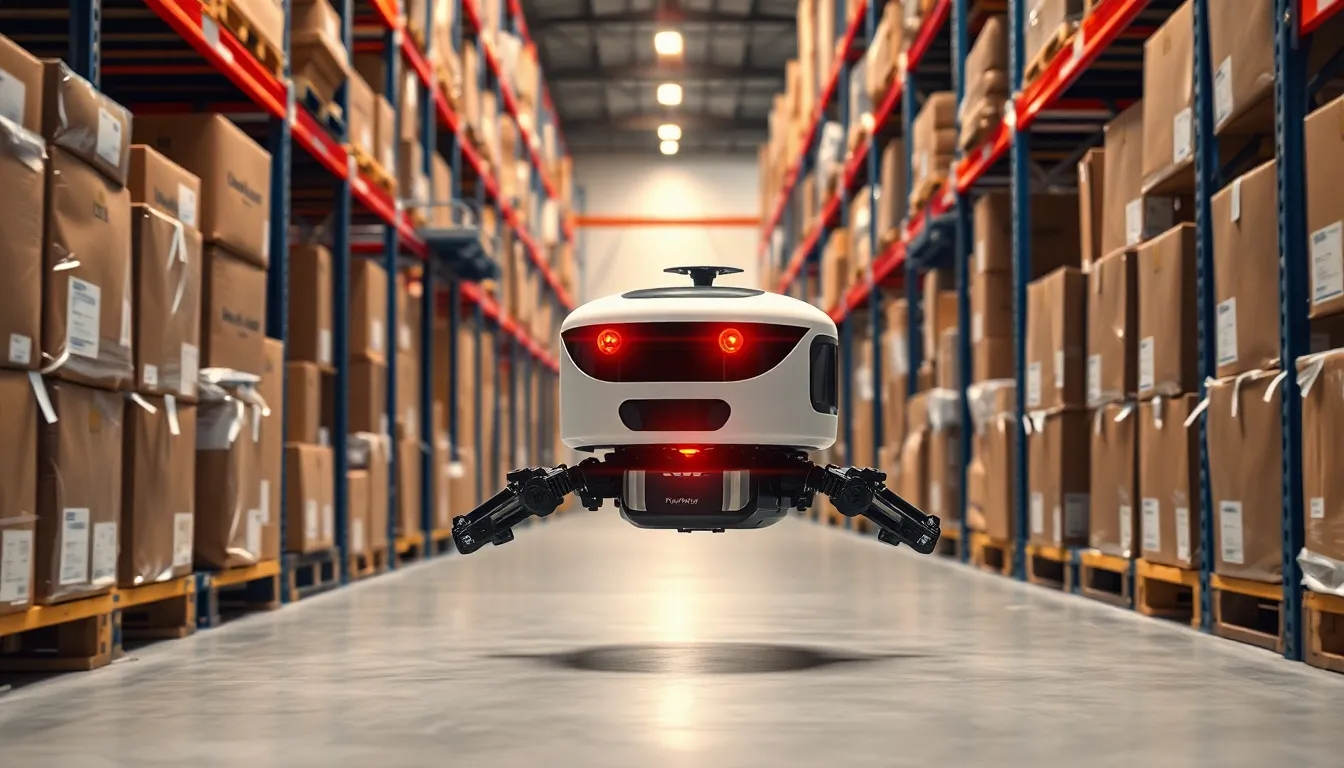
Flyby robotics relies on advanced technology to maximize efficiency and adaptability in various applications. Key components include sensors, navigation systems, and communication protocols.
Sensors and Navigation Systems
Sensors in flyby robotics include LiDAR, cameras, and ultrasonic devices, enabling precise mapping and environmental awareness. Navigation systems utilize algorithms that process sensor data to allow real-time obstacle detection and path planning. These systems enhance autonomous movement, allowing robots to navigate complex environments efficiently. With improved accuracy, flyby robots can maneuver through tight spaces in settings such as warehouses or healthcare facilities, significantly enhancing their operational capabilities.
Communication Protocols
Communication protocols facilitate seamless interaction between flyby robots and control systems. These protocols include Wi-Fi, Bluetooth, and mesh networking technologies, ensuring reliable data exchange in real-time. By maintaining constant communication, robots receive updates and instructions while transmitting their status and location. Effective communication enhances coordination between multiple robots, which improves collaboration on tasks like delivery and assembly line operations. Advanced communication frameworks further increase the adaptability of flyby robotics in dynamic environments.
Applications of Flyby Robotics
Flyby robotics plays a crucial role in various industries, showcasing versatility and efficiency. Key applications include space exploration and agricultural monitoring.
Space Exploration
Space exploration benefits significantly from flyby robotics, enabling missions that require autonomy and precision. Robots conduct remote surveys of celestial bodies, collect data, and perform maintenance tasks on spacecraft. For instance, autonomous rovers, equipped with advanced sensors, map terrain and analyze soil samples on Mars. Drones can inspect satellites in orbit, ensuring they function optimally. Flyby robotics enhances the ability to explore and gather information from remote locations, making space missions more effective and reducing the need for human presence in hazardous environments.
Agricultural Monitoring
Agricultural monitoring utilizes flyby robotics to enhance productivity and sustainability. Robots equipped with imaging sensors collect data on crop health, moisture levels, and pest infestations. For example, drones can fly over fields, capturing high-resolution images to assess plant conditions. This real-time data enables farmers to make informed decisions about irrigation and fertilization, optimizing resource usage and minimizing waste. Flyby robotics helps in precision agriculture, boosting yields while reducing the environmental impact of farming practices.
Benefits of Flyby Robotics
Flyby robotics offers significant advantages that enhance operational efficiency across various sectors. Key benefits include:
- Increased Efficiency: Flyby robots perform tasks faster than human workers or traditional machines. They streamline workflows, reduce completion times, and minimize operational delays.
- 24/7 Operation: These robots continuously operate without breaks, maximizing productivity. Constant deployment enables businesses to optimize resource allocation and meet demanding schedules.
- Enhanced Precision: Advanced sensors like LiDAR and cameras facilitate precise mapping and real-time environmental analysis. This precision improves task accuracy and reduces errors, particularly in complex environments.
- Cost-Effectiveness: Using flyby robotics lowers labor costs and decreases human error. Automation results in long-term savings by minimizing operational expenditures associated with human labor.
- Adaptability: Flyby robots excel in diverse settings, from warehouses to outdoor environments. Their flexibility in navigating different terrains makes them suitable for multiple applications, including logistics and agriculture.
- Improved Safety: Deploying robots in dangerous or hazardous environments reduces risk to human workers. Robots can perform inspections or maintenance tasks in conditions that would be unsafe for humans.
- Real-Time Data Processing: Flyby robotics employs advanced algorithms for rapid data analysis and decision-making. This capability ensures timely responses to dynamic conditions and supports effective task management.
- Sustainability: Flyby robotics can optimize resource usage, such as energy and water management, especially in agriculture. This sustainability contributes to environmentally friendly practices within industries.
- Scalability: Organizations can easily scale robotic solutions to meet changing demands. With the ability to deploy multiple units simultaneously, businesses effectively adapt to growth or fluctuations in workload.
These benefits showcase the transformative potential of flyby robotics, highlighting its role in revolutionizing industries and improving operational standards.
Challenges and Future Developments
Challenges in flyby robotics persist, particularly in battery life and software reliability. Battery limitations hinder operational endurance, making extended tasks difficult. Many systems operate only a few hours on a single charge, necessitating frequent recharging. Ongoing research aims to enhance battery technology, exploring high-capacity lithium-sulfur and solid-state options that promise longer-lasting power sources.
Software reliability poses another challenge. Continuous updates and patches are essential, addressing security vulnerabilities and improving functionality. A reliance on robust algorithms ensures obstacle detection and navigation performance; however, glitches can result in system malfunctions. Researchers prioritize developing more resilient and adaptive software frameworks for improved stability under various conditions.
Future developments focus on several key areas. Enhanced autonomy is a priority, with researchers working on improved machine learning models. These models enable better decision-making, allowing robots to adapt swiftly to complex environments and unforeseen challenges. This evolution aims to extend flyby robotics into new sectors, including disaster response and autonomous transport.
Collaboration between human operators and robots gains momentum. Hybrid systems combining human oversight with automated operations enhance efficiency and safety. By developing intuitive interfaces, human-robot interaction becomes seamless, facilitating operations in sensitive environments like healthcare and construction.
Integration of artificial intelligence and cloud computing represents another promising direction. AI enhances real-time data processing capabilities, enabling predictive analytics and streamlined operations. Cloud computing facilitates data sharing among multiple robots, fostering improved coordination and resource management.
The advancement of regulatory frameworks also plays a critical role. Establishing comprehensive policies ensures safe implementation while addressing privacy and ethical concerns surrounding robotic systems. These frameworks guide responsible innovation, paving the way for widespread adoption.
Flyby robotics stands at the forefront of technological innovation, poised to reshape industries and enhance everyday life. Its ability to operate autonomously and adapt to various environments makes it a game changer in logistics, healthcare, and agriculture. As advancements continue to address existing challenges like battery life and software reliability, the potential for these agile machines to revolutionize workflows grows.
The integration of artificial intelligence and improved machine learning models will further enhance their capabilities, ensuring seamless collaboration between humans and robots. With ongoing research and development, flyby robotics is set to play a crucial role in driving efficiency and precision across multiple sectors, paving the way for a more automated and sustainable future.


